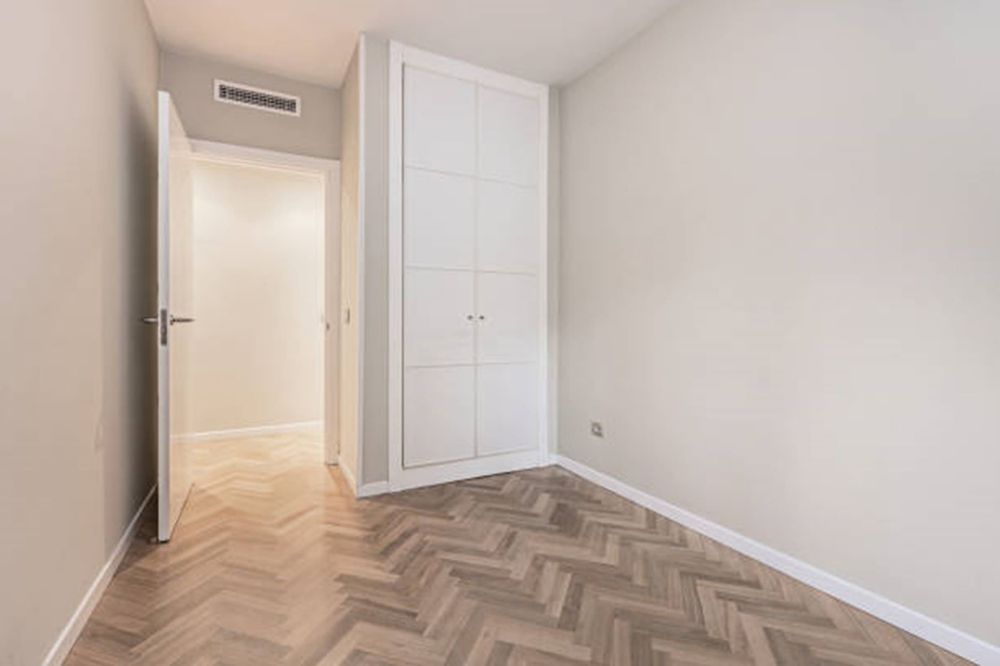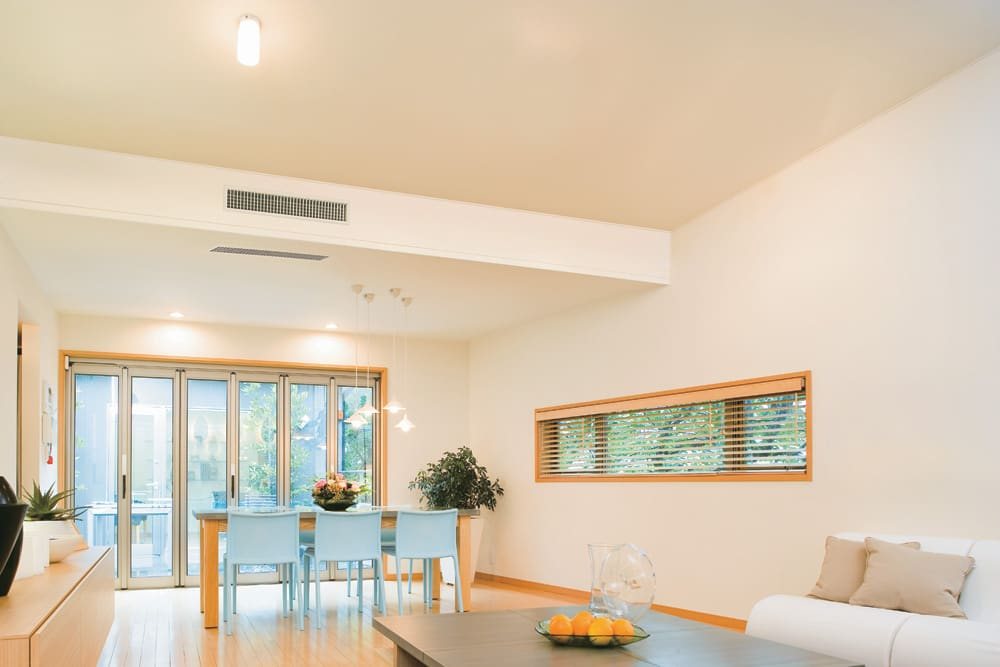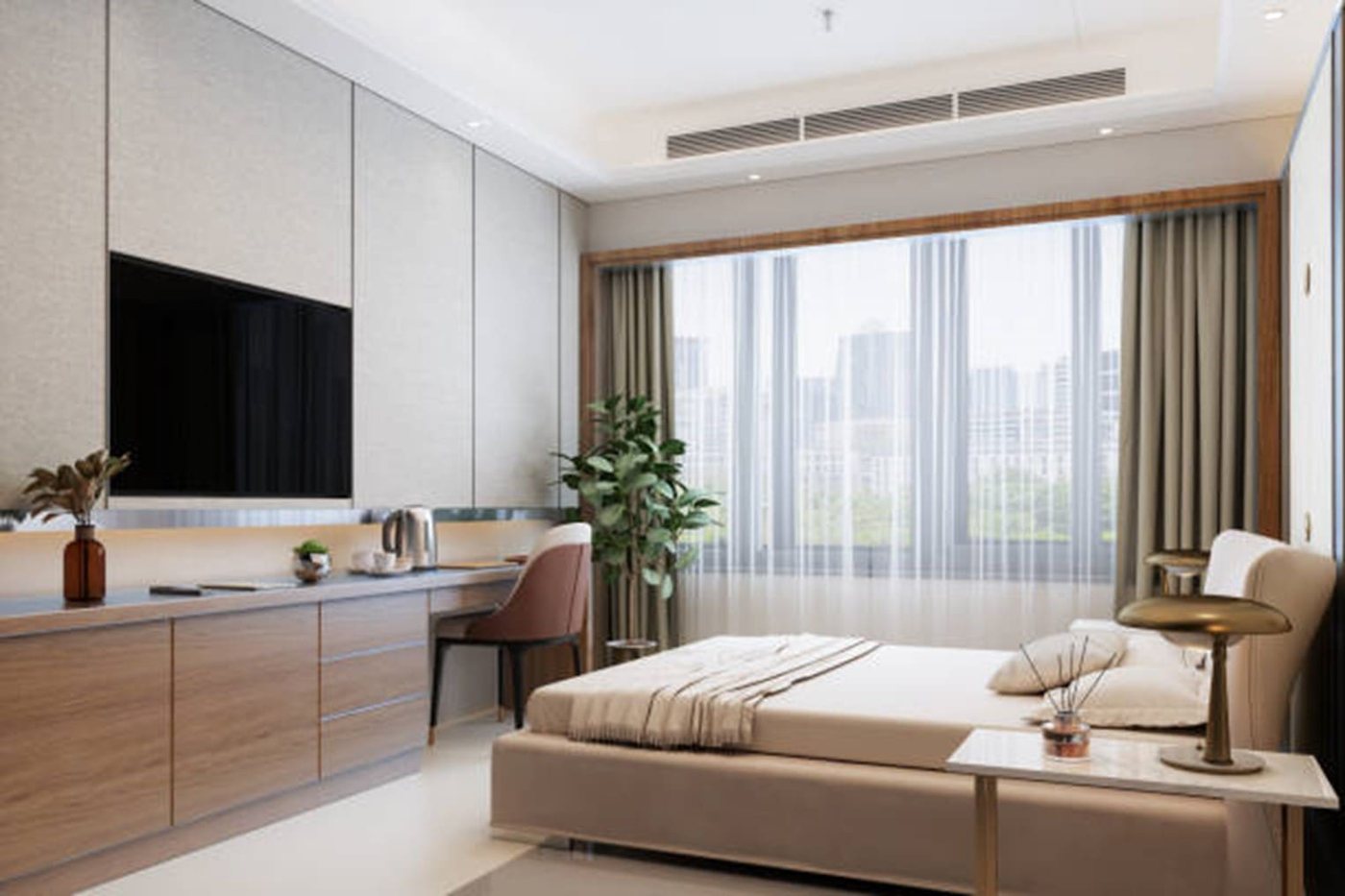
Mitsubishi Electric Lossnay and Daikin VAM are two of the best-known heat recovery ventilation ranges in New Zealand. Both bring in fresh filtered air, extract stale air and recover energy between the two airstreams. Here is how to think about the choice.
What they have in common
- Balanced supply and extract, so you are not just pushing air around.
- A heat exchange core that pre-warms or pre-cools the incoming air using the outgoing air.
- Bypass operation for ventilating without recovery on mild days and for night-time cooling.
- Filters, controllers and options for integration with ducted and commercial air conditioning.
Where Lossnay tends to fit
Lossnay is widely used for whole-home ventilation in new builds and renovations, and the range also includes larger models for light commercial use. It pairs naturally with Mitsubishi Electric ducted heat pumps, including optional Wi-Fi control and interlock, as in The Power of 2.
Where Daikin VAM tends to fit
Daikin VAM units cover a wide airflow range and are common in commercial buildings such as offices, schools, clinics and gyms. They can be combined with Daikin Sky Air and VRV systems.
Heat recovery or energy recovery?
A heat recovery ventilator (HRV) transfers heat. An energy recovery ventilator (ERV) also transfers some moisture. Which one a particular unit is, and how much moisture it transfers, depends on the model and its core, so we check the specification for the model we recommend rather than assuming.
What to check before you choose
- Airflow needed for the number of people and the floor area.
- Noise at the grilles, especially in bedrooms and meeting rooms.
- Where it will sit: ceiling space, plant room or roof.
- Duct layout, filters and how easy servicing will be.
- Controls: standalone, linked to your air conditioning, or on a BMS.
We install both and give independent advice on which suits your project. See whole home ventilation and commercial fresh air systems, or book a free assessment.