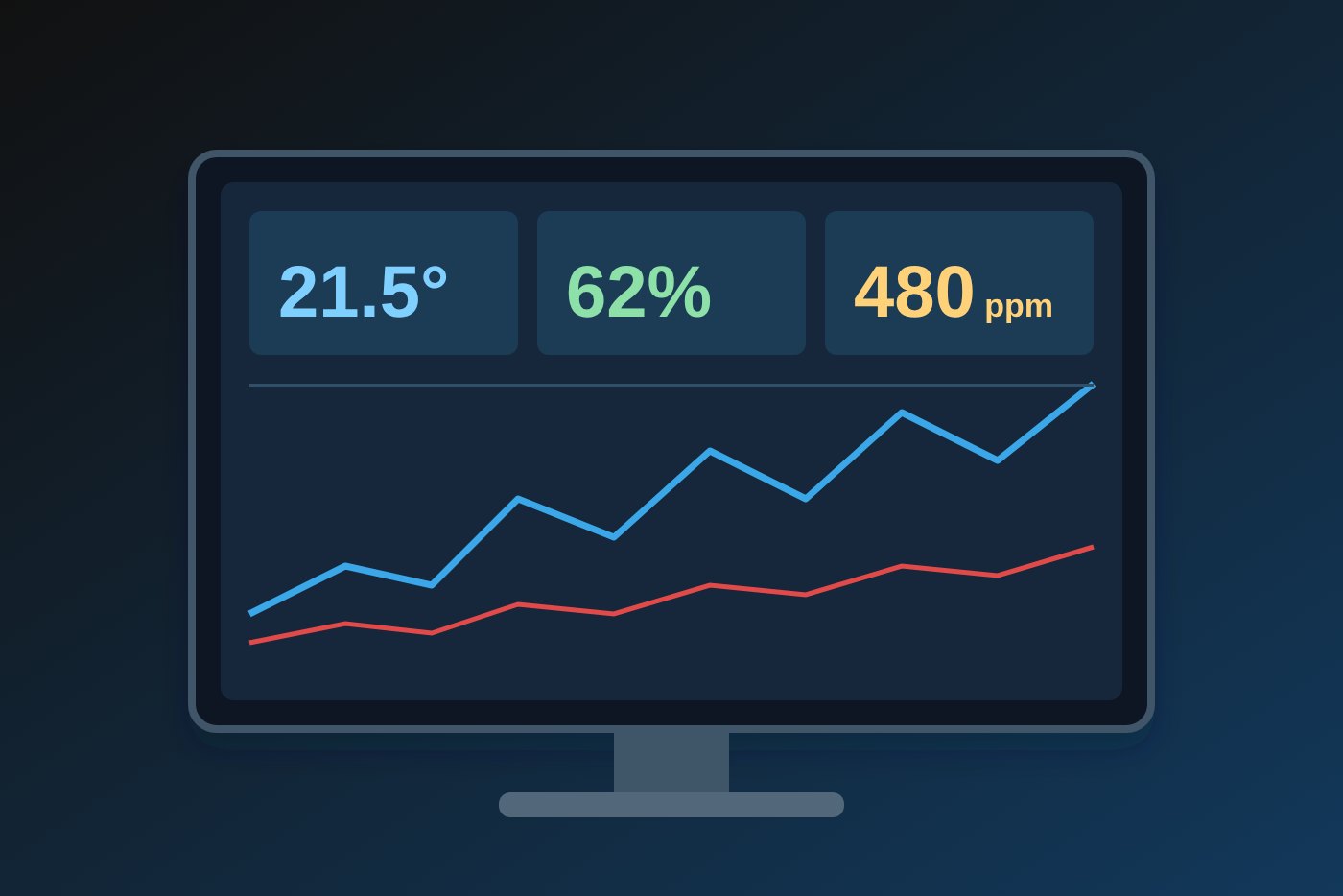
A building management system (BMS) connects your HVAC plant and other services to one control and monitoring platform. For buildings with more than a handful of units, it can be the difference between plant you hope is working and plant you can see.
What a BMS does
- Schedules. Systems run when the building is occupied, not on a fixed habit.
- Monitors. Temperatures, faults and run-times in one place.
- Alarms. Failures are flagged early, before staff complain.
- Reports. Trends help with energy use, maintenance and tenant billing.
- Integrates. Air conditioning, ventilation, chillers and sometimes lighting and metering.
Where the savings come from
Most of the saving comes from stopping plant running when it is not needed, avoiding heating and cooling against each other, and spotting faults sooner. The actual saving depends on the building and how it is run now.
When it is worth it
- Several floors, tenancies or zones.
- Chillers, VRF or packaged plant that needs scheduling.
- Complaints about comfort that are hard to trace.
- A wish to cut energy use or report on it.
Where to start
We review your existing plant and controls and recommend the right level, from simple central controllers to full BMS integration. See building management systems, or request a controls review.